
Book-Tax Timing Differences: Reconciling Your Balance Sheet via IRS Schedule M-3
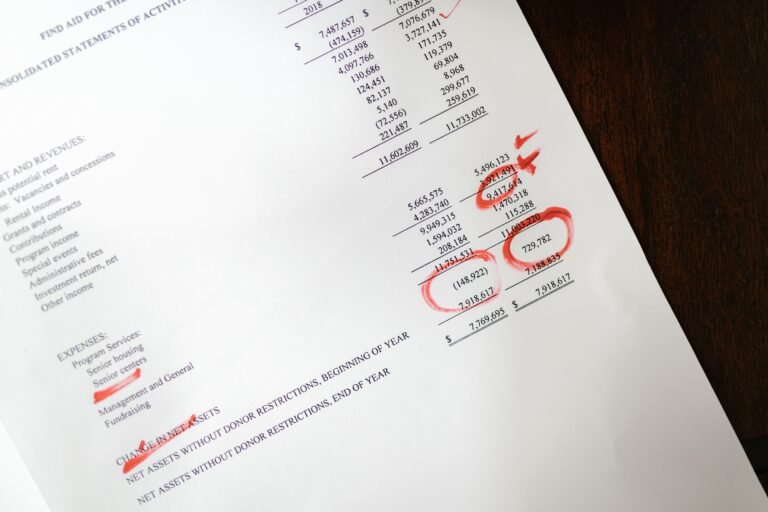
For corporate executives, high-earning entrepreneurs, and middle-market business leaders, driving consistent revenue growth is only half the financial equation. True long-term enterprise value depends heavily on structural financial reporting specifically, your ability to read, interpret, and leverage your balance sheet. While an income statement reflects operational performance over a given timeframe, the balance sheet provides a comprehensive snapshot of your financial position at a single point in time.
Mastering balance sheet mechanics allows executives to evaluate capital structure, protect cash flow, and execute proactive tax strategy initiatives. Understanding how asset valuations and liabilities interact across reporting periods empowers leadership to make informed decisions regarding debt financing, working capital allocation, and risk management.
The Fundamental Balance Sheet Equation
Every balance sheet operates on a foundational double-entry accounting principle, total assets must always equal the sum of total liabilities and equity. This dynamic structural equilibrium reflects how your organization funds its physical operations, intangible rights, and capital growth.
Assets = Liabilities + Shareholders’ Equity
An imbalance indicates improper ledger entries, unrecorded cash transfers, or timing errors in your accounts receivable and payable schedules. Maintaining perfect accounting balance across your ledger ensures that internal records accurately reflect corporate health, providing a reliable foundation for forward-looking tax planning.
Breakdown of Key Balance Sheet Components
To decode a balance sheet effectively, executives must look beyond high-level totals and examine the specific asset, liability, and equity line items that drive operational leverage.
Total Assets (Current + Non-Current) ➔ Total Liabilities (Current + Long-Term) ➔ Shareholders’ Equity Baseline
1. Assets: Current vs. Non-Current
Assets represent resources owned or controlled by the enterprise that carry future economic value. They are categorized based on liquidity:
- Current Assets: Cash, marketable securities, accounts receivable, and short-term inventory expected to convert into cash within 12 months.
- Non-Current Assets: Long-term investments, real estate, machinery, intellectual property, and goodwill held for long-term operational use.
2. Liabilities: Short-Term Obligations vs. Long-Term Debt
Liabilities detail total claims against company assets by external creditors, suppliers, and lending institutions:
- Current Liabilities: Accounts payable, short-term revolving debt, accrued payroll, and current portions of long-term notes due within the year.
- Long-Term Liabilities: Equipment leases, commercial mortgages, corporate bonds, and deferred tax liabilities maturing beyond 12 months.
3. Shareholders’ Equity: Retained Earnings and Paid-In Capital
Shareholders’ equity represents the net residual interest in company assets after deducting all liabilities. Key elements include common stock, additional paid-in capital, and retained earnings, accumulated net profits reinvested into the business rather than paid out as owner distributions.
| Component | Primary Examples | Strategic Purpose |
| Current Assets | Cash, Accounts Receivable, Inventory | Measures short-term liquidity and working capital coverage |
| Non-Current Assets | Commercial Property, Machinery, Patents | Supports operational capacity and long-term asset growth |
| Current Liabilities | Accounts Payable, Short-Term Debt | Highlights immediate cash outflows and operational obligations |
| Long-Term Liabilities | Mortgages, Bonds, Deferred Tax | Indicates capital structure leverage and long-term funding |
| Shareholders’ Equity | Retained Earnings, Contributed Capital | Reflects net worth, owner value, and historical reinvestment |
Critical Ratios for Evaluating Solvency and Liquidity
Reading line items is step one, analyzing their mathematical relationships is where real business intelligence emerges. Corporate leaders use specific liquidity and solvency metrics to benchmark performance against industry competitors.
The Current Ratio and Quick Ratio
The Current Ratio measures short-term solvency by dividing current assets by current liabilities. A ratio above 1.5 indicates healthy liquidity reserves. The Quick Ratio (Acid-Test Ratio) provides a stricter test by excluding inventory, measuring your ability to cover short-term debts instantly using liquid cash and receivables.
Debt-to-Equity Ratio
The Debt-to-Equity (D/E) ratio compares total liabilities against shareholders’ equity. Highly leveraged businesses carry elevated D/E ratios, which can increase risk during economic downturns. Maintaining an optimal leverage ratio preserves borrowing capacity while keeping interest expenses manageable.
Aligning Balance Sheet Management with Your Tax Strategy
A clear, accurately structured balance sheet is essential for executing a successful tax strategy and capturing legitimate tax savings. Discrepancies between financial reporting rules and federal tax laws create distinct book-tax timing differences that require careful management.
According to the Financial Accounting Standards Board (FASB), adhering to standardized asset recognition and lease accounting guidelines (such as ASC 842) ensures transparent balance sheet reporting. Furthermore, under federal tax regulations enforced by the Internal Revenue Service (IRS), mid-market corporations must reconcile book income with taxable income via Schedule M-3 on Form 1120. Properly tracking asset depreciation schedules and accrued liabilities ensures full tax compliance while protecting your bottom line.
Best Practices for Maintaining Audit-Ready Balance Sheets
Establishing internal controls and disciplined bookkeeping habits protects your business from administrative delays and costly audit penalties:
- Perform Monthly Reconciliations: Regularly verify general ledger accounts against physical bank statements, credit lines, and merchant processing feeds.
- Track Fixed Asset Schedules: Maintain precise records for capital equipment purchases, lease commitments, and depreciation allowances.
- Review Bad Debt Reserves: Evaluate aged accounts receivable monthly and write off uncollectible accounts to ensure realistic asset values.
- Separate Personal and Corporate Assets: Maintain strict boundaries between corporate accounts and owner personal assets to safeguard corporate liability protections.
Elevate Your Business Intelligence Today
A balance sheet is far more than a routine year-end compliance document, it is a dynamic management tool that reflects the true operational strength of your enterprise. By regularly decoding asset balances, monitoring leverage ratios, and aligning ledger entries with forward-looking tax strategies, you position your organization for sustainable growth and long-term financial success.
Partnering with an experienced accounting professional ensures that your financial reporting remains pristine, audit-ready, and fully integrated with your corporate wealth strategies. Take command of your books today, eliminate hidden financial blind spots, and turn your balance sheet into an engine for enterprise value.
Connect with a Premier Financial Reporting Expert
Decoding complex balance sheet structures, maintaining GAAP-compliant ledgers, and coordinating financial statements with high-level tax planning requires an advisor with proven technical credentials. To ensure your financial reporting is accurate, audit-ready, and optimized for maximum tax savings, expert oversight is an absolute necessity. We invite you to visit the CPAs Near Me Accountant Directory to search, compare, and connect with qualified Certified Public Accountants (CPAs) and specialized financial advisory firms in your local area. Our directory connects you directly with vetted financial experts who deliver the authoritative technical support, internal control guidance, and year-round advisory oversight you need to elevate your reporting standards and secure your company’s financial future.