
Avoiding the Zero-Basis Trap: How to Reconcile Crypto Cost Basis on Form 1099-DA
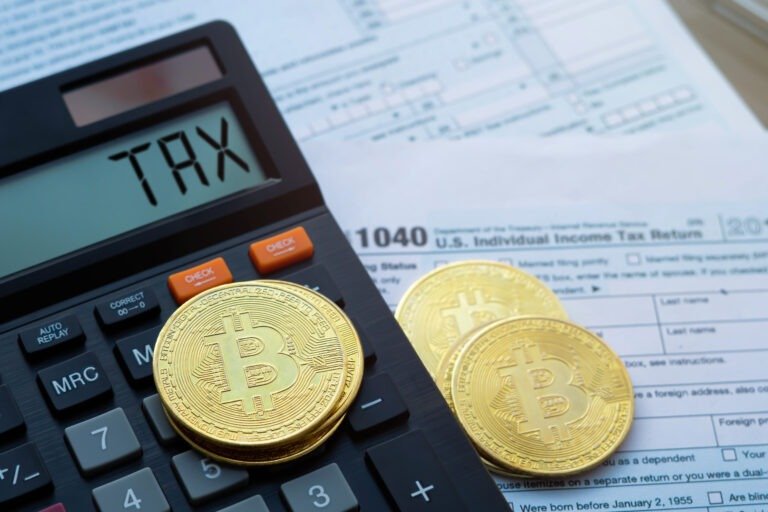
The era of digital asset pseudonymity has officially come to an end for American taxpayers. As we navigate the 2026 tax season, the Internal Revenue Service (IRS) has fully implemented one of the most significant changes to the tax code in recent years, the introduction of Form 1099-DA. For successful individuals and business owners who have integrated cryptocurrency into their portfolios or operations, this new reporting requirement represents a fundamental shift in how digital transactions are tracked and taxed.
Staying compliant with these evolving digital asset laws is no longer a matter of manual record-keeping or guesswork. The 1099-DA form ensures that the IRS receives the same level of transparency for crypto trades as it does for traditional stocks and bonds. Understanding the mechanics of this form is a critical component of modern tax compliance and proactive financial management.
What is Form 1099-DA?
Form 1099-DA, or Digital Asset Proceeds from Broker Transactions, is the result of the Infrastructure Investment and Jobs Act’s mandate to treat digital asset platforms as brokers. Starting with transactions occurring in 2025 and reported in early 2026, centralized exchanges, certain hosted wallet providers, and even some decentralized finance (DeFi) protocols are required to issue this form to both the taxpayer and the IRS.
The form captures essential data points, including the date of acquisition, date of sale, gross proceeds, and, most importantly, the cost basis of the assets sold. According to the Internal Revenue Service (IRS), this standardization is designed to reduce the tax gap by ensuring that capital gains from digital assets are accurately reported on individual and business returns. For the high-net-worth investor, this means that the IRS likely already knows the details of your on-chain activity before you even begin your tax filing.
The Challenge of Cost Basis Tracking
The primary complexity introduced by Form 1099-DA lies in cost basis tracking. Unlike traditional brokerage accounts where assets typically stay within one institution, crypto users frequently move assets between various exchanges and self-custodied cold wallets. If you transferred Bitcoin from an exchange to a hardware wallet and then back to a different exchange to sell it, the second exchange may not have a record of your original purchase price.
This leads to missing basis issues on the 1099-DA, which can result in the IRS assuming a cost basis of zero, effectively taxing the entire sale price as pure profit. To avoid this, taxpayers must work with a qualified accountant to reconcile their transaction history across all platforms. Utilizing specialized crypto-accounting software that integrates with Form 1099-DA is now a mandatory part of effective tax preparation services.
Wash Sale Rules and Digital Assets
As of early 2026, the debate regarding wash sale rules and cryptocurrency continues to be a focal point of tax strategy. Traditionally, the wash sale rule prevents investors from claiming a loss on a security if they purchase a substantially identical security within 30 days before or after the sale. While digital assets were historically classified as property rather than securities, recent legislative updates and IRS clarifications have moved the needle closer to parity with traditional markets.
Successful investors must be cautious when harvesting tax losses. Even if the technicalities of the wash sale rule are still being refined for certain tokens, the IRS’s Economic Substance Doctrine allows them to disallow transactions that serve no purpose other than tax avoidance. A robust tax strategy involves carefully timing sales and repurchases to ensure that tax savings are legitimate and defensible under audit.
Reporting DeFi and NFT Transactions
Form 1099-DA isn’t limited to simple Bitcoin or Ethereum trades. The IRS has expanded its definition of digital assets to include Non-Fungible Tokens (NFTs) and rewards earned through Decentralized Finance (DeFi) lending or staking. While centralized exchanges provide 1099-DAs for these activities, many DeFi interactions occur on-chain via smart contracts that may not yet have a centralized reporting entity.
Taxpayers are still legally obligated to report these earnings even if they do not receive a formal 1099-DA. This is where many business owners fall into non-compliance traps. Income from staking or yield farming is generally treated as ordinary income at the time of receipt, while the subsequent sale of those tokens triggers a capital gains event. The U.S. Department of the Treasury has emphasized that they are increasing enforcement in the DeFi space, making professional oversight essential for those with complex digital holdings.
Business Use of Cryptocurrency
For businesses that accept cryptocurrency as payment for goods or services, the 1099-DA adds a layer of complexity to corporate tax compliance. If a business holds crypto on its balance sheet and subsequently sells it to cover operating expenses, it must track the gain or loss on each specific unit. Furthermore, payments made to contractors or employees in crypto must be reported at their fair market value in USD at the time of the transaction.
Successful business owners are increasingly turning to dedicated tax preparation services to manage these dual-track ledgers. One track follows the operational value of the services provided, while the other tracks the capital gains associated with the currency’s fluctuation. The Tax Foundation notes that the administrative burden of crypto compliance is one of the biggest hurdles for small to mid-sized businesses looking to adopt digital payments.
The Risk of IRS Audits and “John Doe” Summons
The IRS is not solely relying on the 1099-DA. They continue to use John Doe summons to compel exchanges to hand over user data for previous years. In 2026, the agency is leveraging its increased funding to hire specialists in blockchain forensics who can de-anonymize wallet addresses. If the data on your 1099-DA does not match the activity associated with your known wallets, it can trigger an automated flag for human review.
A proactive approach to tax compliance involves a voluntary look-back audit of your own records. If you discover errors in previous years’ reporting, it is often better to file an amended return before the IRS initiates an inquiry. This demonstrates good faith and can significantly reduce the risk of accuracy-related penalties or more severe legal consequences.
Strategic Tax Planning in a Regulated Era
While the 1099-DA increases transparency, it also provides an opportunity for better tax planning. With standard reporting now the norm, investors can more easily implement specific identification of lots. This allows you to choose to sell the specific tokens with the highest cost basis first, thereby minimizing your immediate tax liability, a classic tax strategy known as HIFO (Highest In, First Out).
Additionally, for those looking to offset significant gains, the use of Charitable Remainder Trusts (CRTs) or Donor Advised Funds (DAFs) for crypto remains a powerful tool. By donating appreciated crypto directly to a charity, you can avoid the capital gains tax entirely while receiving a charitable deduction for the full market value. This is a high-level strategy that requires coordination between your financial advisor and a certified accountant.
Conclusion: Embracing the New Standard
The 1099-DA is a sign that digital assets have matured into a mainstream asset class. While the new reporting requirements may seem daunting, they also bring a level of legitimacy and clarity that was previously lacking. By treating crypto with the same level of diligence as any other significant investment, you can protect your wealth and ensure your long-term success.
The key to navigating this transition is early preparation and professional guidance. As the IRS sharpens its focus on digital assets, the value of an expert who understands both the technology and the tax law cannot be overstated. By staying ahead of the curve, you can turn tax compliance from a burden into a strategic advantage.
Connect with a Digital Asset Tax Specialist
Navigating the complexities of Form 1099-DA and the latest digital asset regulations requires more than just software, it requires the expertise of a professional who understands the nuances of the 2026 tax landscape. Whether you are a high-volume trader, a DeFi enthusiast, or a business owner accepting crypto, ensuring your tax preparation services are up to the current standard is vital. We invite you to visit the CPAs Near Me Accountant Directory to find a qualified accountant who specializes in digital asset taxation. Our directory connects you with vetted experts who can help you reconcile your cost basis, optimize your tax strategy, and maintain total tax compliance in this new era of digital finance.